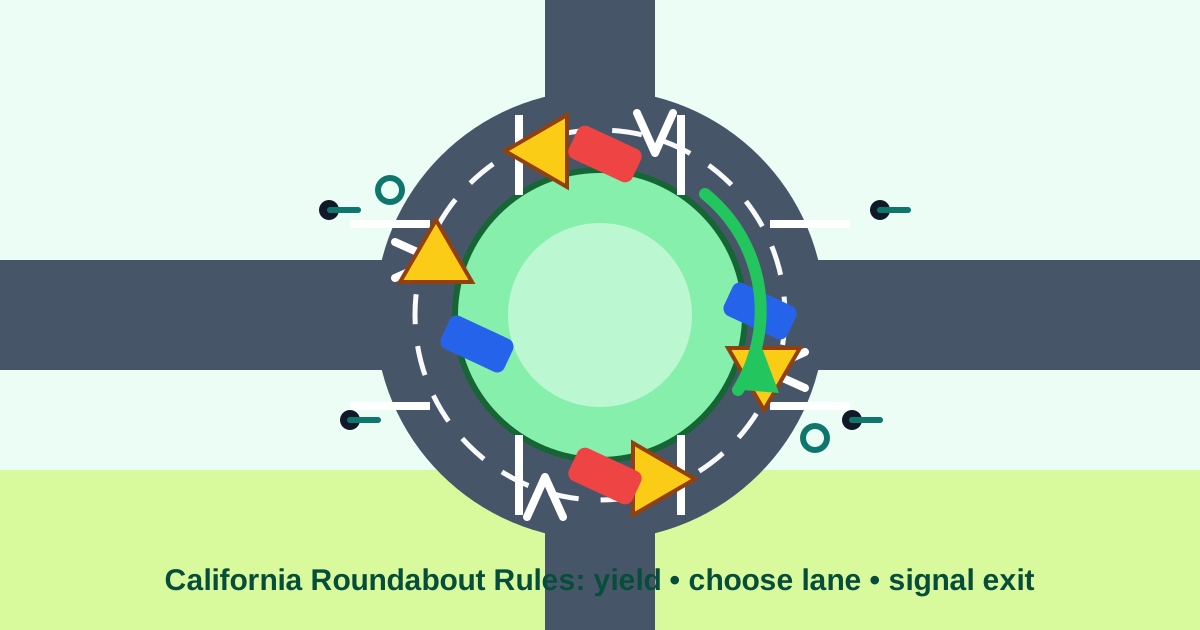
California Rule at a Glance
Slow down, choose the correct lane, yield to pedestrians and traffic already inside, travel counterclockwise, remain in your lane and signal before exiting.
Quick Answer
- Circulating traffic has priority over entering traffic.
- A driver does not always need to stop, but must stop when required to yield.
- Lane selection should occur before entering; signs and pavement arrows control.
- Avoid lane changes inside and signal before exiting.
- Check pedestrians and bicyclists before entering and exiting; missed exits should be handled by continuing around or rerouting.
Key Takeaways
Traffic inside has priority; slow before the yield line; stop only when required to yield; yield to pedestrians and bicyclists before entering and exiting; travel counterclockwise; choose the correct lane before entering; signal before exiting; give large trucks room; continue around after a missed exit.
What Is a Roundabout?
A modern roundabout is a circular intersection where traffic moves counterclockwise around a central island. Common features include yield signs, curved approaches, splitter islands, crosswalks set back from the circle, directional arrows and one or more circulating lanes. Older traffic circles may operate differently, so actual signs and markings control.
Who Has the Right-of-Way?
Vehicles already circulating generally have priority. Entering drivers yield to vehicles from the left, motorcycles, bicyclists using the circulating roadway, pedestrians in or entering crosswalks, emergency vehicles and any immediate conflict.
Do You Have to Stop Before Entering?
Not automatically. A yield sign means reduce speed and be ready to stop. If the crosswalk and circulating lane are clear, enter at a controlled speed. Stop when needed to let another road user proceed safely.
A Simple Five-Step Method
1. Slow. 2. Select. 3. Scan. 4. Yield. 5. Exit. Slow before the crosswalk or yield line, select the correct lane, scan for road users, yield for a safe gap, then signal and exit from the correct lane.
How Do You Choose a Lane?
Choose before entering. Follow overhead signs, roadside signs, pavement arrows, lane-use markings and temporary construction instructions. First exit or right turn: the right lane is commonly used, subject to actual markings. Straight movement: either lane may be allowed. Left turn or U-turn: the left lane is commonly used. Signs and pavement arrows at the actual roundabout always control.
What If You Choose the Wrong Lane?
Do not cut across another lane at the last moment. Stay in the lane, follow its permitted direction, exit safely, find a legal place to turn around or reroute. If the design permits continuing around, remain in the correct circulating lane and try again.
Can You Change Lanes Inside a Roundabout?
Avoid changing lanes inside unless lane markings clearly direct or permit the movement. Check mirrors and physically check blind spots before any permitted turn, lane change or merge. Never cross a solid lane line.
Should You Use a Turn Signal?
Yes. Signal before exiting, usually after passing the exit before the one you intend to take. Do not signal so early that others think you are taking an earlier exit.
How Should You Enter?
After yielding, enter smoothly, follow the curve, maintain a low steady speed, stay in the selected lane, avoid aggressive acceleration, do not stop unnecessarily and keep following distance.
Why Does Traffic Travel Counterclockwise?
California roundabouts direct vehicles counterclockwise around the central island. Turn right into the circle and never travel clockwise, reverse, stop suddenly after a missed exit or drive over the central island.
What Should You Do Before Exiting?
Signal right, check the right mirror, physically check the right blind spot, watch for a cyclist beside the vehicle, confirm the exit lane is clear, yield to pedestrians in the exit crosswalk and exit at a controlled speed.
Pedestrians at Roundabouts
Check for pedestrians before entering and before exiting. Do not stop on the crosswalk while waiting. Pedestrians may be on splitter islands, hidden by vehicles, using mobility devices, walking with children or entering from the right.
Bicycles at Roundabouts
A bicyclist may ride in the circulating lane or use a designated shared path or crossing. Do not pass a cyclist inside; give the rider the lane when appropriate; check the right blind spot before exiting; yield at bicycle and pedestrian crossings.
Motorcycles and Blind Spots
Motorcycles can be hard to see in a curved intersection. Check mirrors, turn your head for blind spots, look near lane markings, avoid moving beside a motorcycle and leave additional following distance.
Large Trucks and Buses
Large vehicles may need more than one lane. Rear wheels may use the truck apron, but passenger vehicles should not. Stay behind trucks, do not pass or travel beside them through a tight roundabout and expect slow movement.
Emergency Vehicles
If an emergency vehicle approaches before entry, do not enter and move right when safe. If already inside, continue to the nearest safe exit, leave the roundabout, pull right and stop when safe.
What If Traffic Is Backed Up?
Do not enter unless there is room to clear the entrance and crosswalk. Avoid blocking circulating lanes, entrances, exits, crosswalks, bicycle crossings or emergency access.
What If Another Driver Stops Inside?
Slow and prepare to stop. Do not pass. The driver may be stopping for a pedestrian, bicycle, emergency vehicle, congestion, obstruction or collision.
What If You Miss the Exit?
Continue around when permitted, or take the next lawful safe exit and reroute. Do not stop, reverse, cut across lanes, drive over the island or turn across another vehicle.
Single-Lane Versus Multi-Lane Roundabouts
Single-lane: one entering lane, yield left, enter when clear, remain in the lane, signal and exit. Multi-lane: select lane early, follow arrows, watch adjacent traffic, avoid changing lanes and exit only from a permitted lane.
Roundabout Versus Traffic Circle
Modern roundabouts usually use lower entry speeds, yield control, curved approaches and lane markings. Older traffic circles may be larger, faster, signalized or controlled differently. Follow the actual signs.
Seven Common Mistakes
Entering without yielding; stopping when empty; choosing the lane too late; changing lanes inside; failing to signal the exit; looking only left; stopping or reversing after a missed exit.
Tips for New and Visiting Drivers
Reduce speed early, ignore pressure from impatient drivers, read arrows before entering, keep both hands ready, avoid phone or GPS adjustments, use spoken directions, allow extra following distance and continue around when uncertain.
The Bottom Line
Yield before entering, remain predictable inside and check again before exiting. Preparation matters more than speed.
Frequently Asked Questions
Who has the right-of-way in a California roundabout?
Vehicles already circulating inside generally have priority. Entering drivers must yield.
Do I have to stop before entering?
No, not when the roundabout and crosswalk are clear. Slow down and stop only when necessary to yield or avoid a collision.
Which direction does traffic travel?
Traffic travels counterclockwise around the central island.
What lane should I use?
Use the lane indicated by signs and pavement arrows. The right lane commonly serves right turns, while the left lane commonly serves left turns or U-turns, but local markings control.
Can I change lanes inside?
Avoid changing lanes inside unless markings clearly direct or permit it.
Should I signal when exiting?
Yes. Use the right-turn signal before leaving the roundabout.
Do pedestrians have the right-of-way?
Yes. Yield to pedestrians in or entering the crosswalk before entering and when exiting.
Can I pass a bicycle in a roundabout?
Generally, do not pass a bicyclist inside a roundabout. Allow the rider to use the lane.
What should I do around a large truck?
Stay behind it and give it additional room. Do not drive beside a truck inside a tight roundabout.
What if I miss my exit?
Continue around when permitted or take the next safe exit and reroute. Never stop or reverse.
Official Sources
- California DMV Driver Handbook: Laws and Rules of the Road
- California DMV Driver Handbook: Safe Driving
- Caltrans: Navigating Roundabouts
- Caltrans: A Step-by-Step Guide to Driving a Multi-Lane Roundabout
- Caltrans: California Traffic Calming Guide
- California Office of Traffic Safety: Pedestrian and Bicycle Safety
Disclaimer
This Guide is provided for general educational purposes and does not constitute legal, engineering or insurance advice. Roundabout designs, signs and lane markings vary. Follow posted traffic controls, police directions and current California DMV and Caltrans guidance.